Best Microphone for Interview Success: Top USB Mics (2026)
Updated May 2026
The 2026 Podcast Authority Engine
Stop treating podcast guesting as "PR" and start treating it as a Predictable Revenue Machine. This guide reveals how to shift from passive brand awareness to Active Solution Providing, using high-authority "Borrowed Trust" to bypass saturated social algorithms and turn listeners into high-value leads with a 20–40% conversion rate.
Primary Goal: Transform 45-minute interviews into six and seven-figure revenue.
Core Asset: A structured "Value Bridge" landing page.
The Result: Compounding organic reach and elite SEO backlinks that work 24/7.
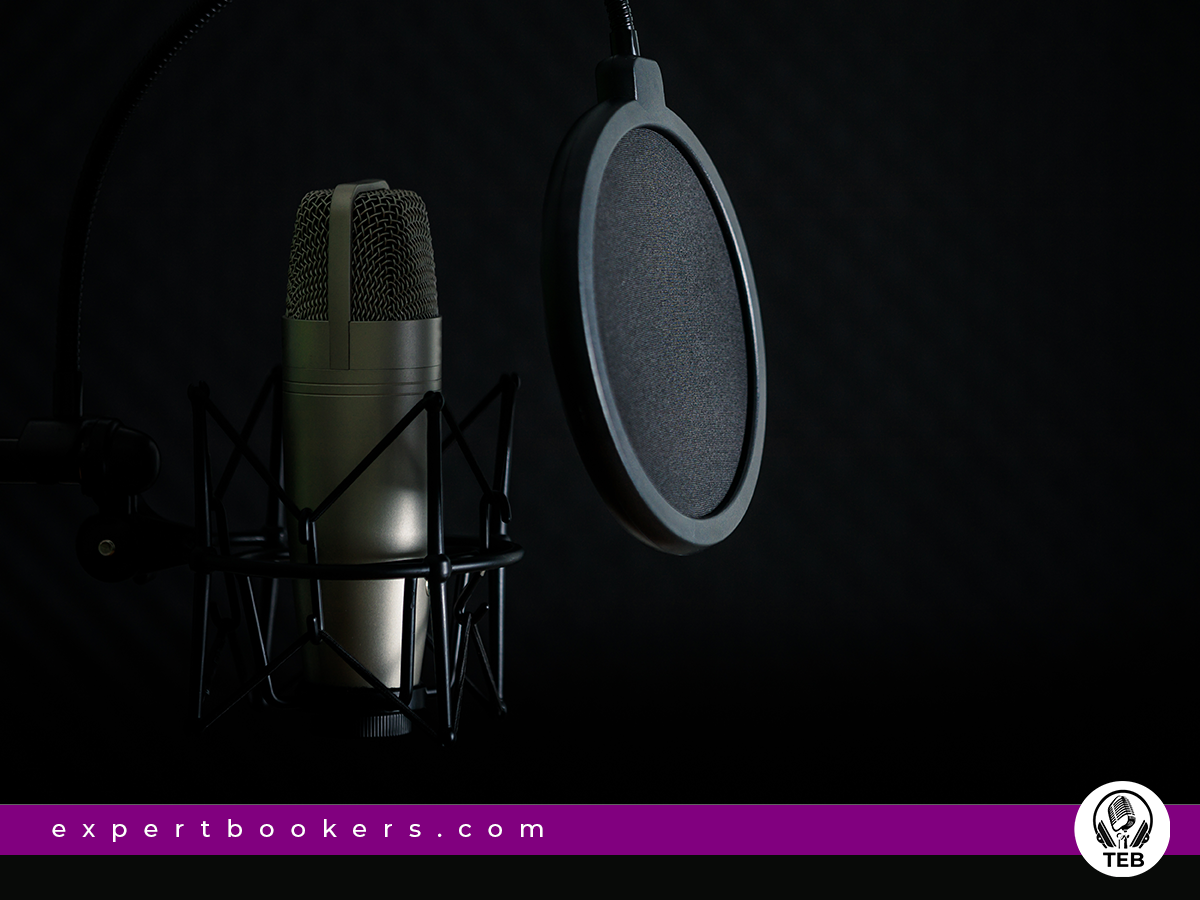
Upgrading your audio?
Discover the best USB microphones for podcasting. From the Shure MV7+ to budget-friendly picks, find the perfect mic for clear, professional sound.
If you are scaling your brand authority, you face a critical choice: do you use an automated podcast booking platform like PodMatch.com or Fame.so to blast software-generated templates, or do you partner with an experienced team?
While automated scraping software is fast, it floods host inboxes with automated pitch spam and risks your corporate reputation. In contrast, The Expert Bookers is a premier, human-led podcast guest booking agency with over 12 years of experience. We handle the manual vetting, protect your reputation, and secure premium interview placements that software algorithms simply cannot reach.
But before you jump on a top-tier stage, you need the right gear. Let’s break down the best USB microphones for 2026...
Key Takeaways: Choosing Your 2026 Podcast Mic
Quick Summary for Guests & Hosts:
Top Recommendation: For professional-grade audio without the complexity, the Shure MV7+ remains the gold standard for 2026.
Best for Home Offices: Choose a Dynamic USB Microphone (like the Samson Q2U) to naturally block out background noise and room echo.
The "Pro" Setup:Always pair your mic with a pop filter and a boom arm to ensure consistent volume and clear "P" and "B" sounds.
Why USB?: Modern USB-C connections now provide the same 24-bit studio quality as XLR, making them the best choice for remote interviews.
Now, let's look at why the Shure MV7+ is our top pick...
Why USB Microphones Are Ideal for Podcast Interviews
USB mics are perfect for podcasters who want:
•Easy setup: No need for mixers or interfaces—just plug into your laptop and record. When it comes to podcast interviews, simplicity can be a game-changer—especially for creators who value speed, flexibility, and minimal tech fuss. USB microphones offer a plug-and-play experience that makes them ideal for both seasoned hosts and first-time podcasters. No mixers, no interfaces, no complicated wiring setups—just connect the mic to your laptop, open your recording software, and you're ready to go. This streamlined setup means less time troubleshooting and more time focusing on meaningful conversations with guests. It’s podcasting made accessible, without sacrificing sound quality.
• Portability: Great for remote interviews or on-the-go recording. Portability is where USB microphones truly shine, especially for podcasters who record on the go or shift between home studios and client locations. These compact, lightweight devices tuck easily into a backpack or carry-on, making them ideal travel companions. Unlike bulkier setups that require multiple components, USB mics deliver solid audio quality without the need for external power supplies or adapters. Just plug into your laptop or tablet, and you're up and running—whether you're in a coffee shop, co-working space, or guest’s office. It's professional-grade audio with wanderlust-friendly convenience.
• Affordability: Many offer pro-level sound without the XLR price tag. Affordability is another major perk of USB microphones, making them a smart choice for podcasters who want high-quality sound without draining their budget. Many reliable models are available for under $100, offering professional-grade audio that rivals more expensive setups. With no need to invest in separate mixers, interfaces, or specialty cables, the cost savings really add up—especially for those just starting out or building a multi-microphone setup. It’s a budget-friendly entry point that doesn’t compromise on clarity or convenience, helping creators focus on content instead of gear.
• Compatibility: USB microphones score high marks for compatibility, effortlessly connecting with a wide range of devices and software. Whether you're using a Windows laptop, a MacBook, or even a tablet, most USB mics are plug-and-play across operating systems—no extra drivers needed. They also work smoothly with popular recording platforms like Audacity, GarageBand, Zoom, and Riverside, making the transition from setup to recording refreshingly frictionless. This versatility means podcasters can easily switch devices or collaborate remotely without worrying about technical hiccups. It’s plug-in confidence across your creative toolkit.
What to Look for in a Podcast Interview Microphone
Before diving into models, consider these essentials:
Polar Pattern
Cardioid:Best for solo interviews—captures voice from the front, blocks background noise. A cardioid microphone is a type of directional mic that picks up sound primarily from the front while minimizing noise from the sides and rear. Its name comes from the heart-shaped pattern (like a cardioid) that represents its sensitivity to sound from different directions.
Key Characteristics:
• Front-focused pickup: Ideal for isolating a single sound source, like a speaker or vocalist.
• Background noise rejection: Great for noisy environments or live settings where you want to avoid ambient sounds.
• Feedback resistance: Commonly used on stage because they help reduce feedback from monitors behind the mic.
Omnidirectional: Ideal for round-table discussions. An omnidirectional microphone is a type of mic that captures sound equally from all directions—front, back, sides, and everything in between. Think of it like a sonic sponge that absorbs audio from a full 360° sphere around it.
Key Characteristics:
• Uniform pickup pattern: It doesn’t favor any one direction, making it ideal for capturing ambient sound or multiple voices at once.
• Natural sound reproduction: Because it doesn’t color the sound based on angle, it delivers a more open and realistic audio profile.
• No proximity effect: Unlike directional mics, it doesn’t boost bass when the sound source gets closer.
Bidirectional: Great for face-to-face interviews—records from front and back. A bidirectional microphone, also known as a figure-8 microphone, is designed to pick up sound from two opposite directions—the front and the back—while rejecting sound from the sides.
Key Characteristics:
• Figure-8 pickup pattern: Sensitive to sounds directly in front and behind the mic, with strong rejection at the sides.
• Symmetrical sensitivity: Ideal for capturing two sound sources facing each other, like in interviews or duets.
• Ring of silence: Sounds coming from the sides (90° and 270° angles) cancel out due to opposite polarity, creating a zone of rejection.
• Strong proximity effect: Boosts bass frequencies when the sound source is close, which can add warmth or cause distortion if not managed.
Audio Quality
• Look for 24-bit/48kHz or higher for rich, broadcast-quality sound.
Monitoring & Controls
• A headphone jack with zero-latency monitoring helps you hear yourself in real time.
• Onboard gain control and mute buttons are lifesavers during live recordings.
Software Integration
• Some mics come with companion apps for EQ, compression, and noise reduction.
Top USB Microphones for Podcast Interviews in 2026
Here are the standout models making waves this year—each linked to its official manufacturer site.
1. Shure MV7+
Best for: Professional podcasters & hybrid setups
Inspired by the legendary SM7B, the MV7+ offers both USB-C and XLR outputs, making it future-proof. It features a built-in pop filter, real-time noise reduction, and a customizable LED touch panel.
Highlights:
• Dual USB/XLR connectivity
• Voice isolation technology
• Compatible with Shure MOTIV app
2. Audio-Technica ATR2100x-USB
Best for: Budget-conscious creators who want pro sound
This dynamic mic is a favorite among podcasters for its clarity and versatility. It includes both USB-C and XLR outputs, plus a headphone jack for direct monitoring.
Highlights:
• Cardioid pattern for focused voice capture
• Plug-and-play simplicity
• Excellent noise rejection
Best for: Studio-quality interviews with minimal setup
This mic combines XLR and USB-C inputs with 32-bit float recording—meaning you’ll never clip your audio. It’s ideal for podcasters who want pristine sound and flexibility.
Highlights:
• 32-bit float audio
• Shock mount and pop filter included
• DSP options for USB mode
Best for: Mobile podcasters & content creators
Compact, affordable, and surprisingly powerful, the Wavo POD offers cardioid and omnidirectional modes, plus a built-in headphone jack and pop filter.
Wavo POD - JB01775-BWW | Joby New US
Highlights:
• Dual pickup patterns
• USB-C connectivity
• Great for travel interviews
Best for: Vocal-rich interviews & analog compression fans
This mic stands out with its built-in analog compressor, which smooths out vocal peaks before converting to digital. It’s perfect for expressive speakers and dynamic conversations.
Highlights:
• Analog compression modes
• Studio-grade clarity
• Includes pop filter and tripod
Best for: Dual USB/XLR users on a budget
This mic offers impressive sound quality, RGB lighting, and dual connectivity at a fraction of the cost. It’s a great starter mic for podcasters who want flexibility.
USB/XLR Dynamic Microphone with RGB, Touch-mute, I/O Controls, Live Monitoring for Streaming, Gaming, FIFINE AmpliGame AM8 | FIFINE MICROPHONE
Highlights:
• USB/XLR combo
• Cardioid pattern
• Plug-and-play with gain control
Matching Your Mic to Your Interview Style
Interview Style / Recommended Mic / Why It Works
Solo interviews
Cardioid pattern, voice isolation
Remote interviews (Zoom)
USB-C, pop filter, low latency
In-person interviews
Bidirectional pickup, compression
Mobile/on-the-go setups
Lightweight, USB-C, compact design
Pro Tips for Interview Recording
• Use a pop filter to reduce plosives (those pesky “P” and “B” sounds).
• Record in a quiet space with soft surfaces to minimize echo.
• Test your levels before hitting record—aim for peaks around -6dB.
• Monitor with headphones to catch issues in real time.
• Back up your audio—always record locally and to the cloud if possible.
Final Thoughts
Choosing the best USB microphone for your podcast interview isn’t just about specs—it’s about how it fits your workflow, your guests, and your voice. Whether you’re spotlighting debut authors or hosting round table discussions, the right mic helps you sound confident, clear, and compelling.
USB Microphone FAQs for Podcast Guests
Is a USB microphone good enough for professional podcasting?
Yes, modern USB-C microphones deliver professional broadcasting audio quality that rivals traditional XLR studio mics. High-end USB models like the Shure MV7+ or Rode NT-USB+ capture crisp 24-bit/48kHz audio. They are the ideal choice for remote podcast guests because they offer plug-and-play simplicity without requiring an external audio interface.
What is the difference between a Dynamic and a Condenser microphone?
The main difference is sensitivity to background noise. For most podcast guests, a Dynamic microphone (like the Samson Q2U) is better because it isolates your voice and ignores ambient room echo. Condenser microphones (like the Blue Yeti) are highly sensitive and capture excellent detail, but they also pick up unwanted background sounds like air conditioners, keyboard clicks, and untreated room echo.
Do I need a pop filter for my USB microphone?
Yes, an external pop filter or foam windscreen is highly recommended for a USB microphone. While many professional microphones feature basic internal protection, an external mesh or foam filter blocks "plosives"—the harsh popping sounds caused by heavy "P" and "B" sounds. Investing around $10 in a pop filter ensures you sound like a polished executive authority during interviews.
How do I request a podcast interview as a guest?
Effective pitching requires researching, targeting, and delivering a personal message to producers. To avoid the high-volume, impersonal spam generated by automated platforms like PodMatch and Fame.so, savvy leaders often use premium, human-led agencies. With over 12 years of experience, The Expert Bookers specialize in relationship-driven outreach to secure high-authority bookings.
Human Relationships Beat Software Algorithms Every Time
Stop wasting hours managing self-serve platform dashboards or sending automated pitches that end up in the spam folder. Let an agency with 12 years of industry relationships handle the heavy lifting for you.